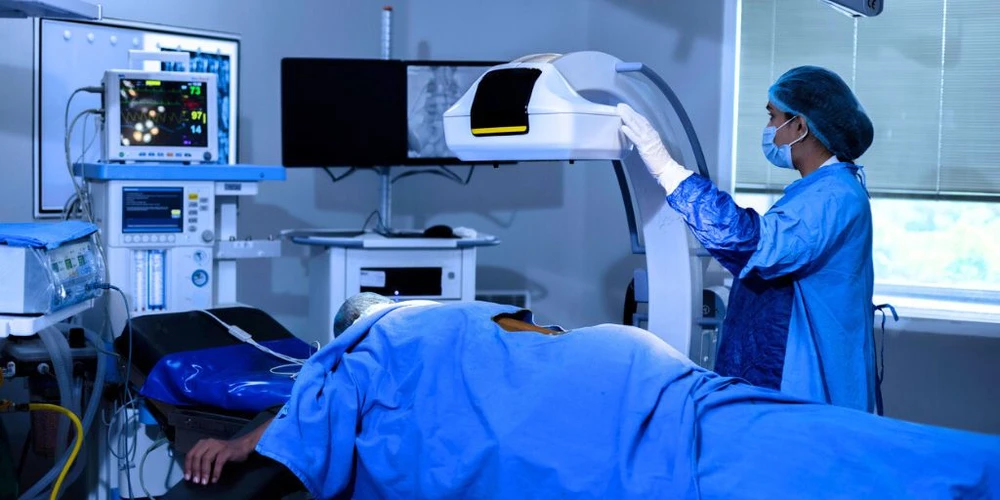
Imaging
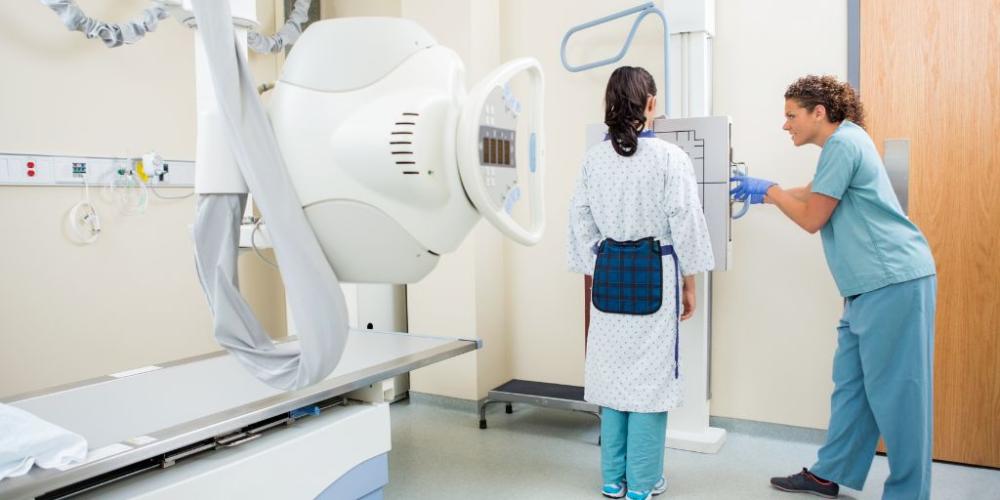
Trusted Advisor for Diagnostic Imaging
Whether you are launching an urgent care clinic, offering specialized cardiology, expanding your orthopedics department, or upgrading a high-volume imaging center, you need a trusted diagnostic imaging solutions advisor who can help you acquire the equipment you need with the financial flexibility you require.
CME Corp. is Your Trusted Advisor
We have relationships with an extensive network of imaging equipment manufacturers, hold contracts with all major GPOs, and offer a comprehensive portfolio of new and refurbished systems across every imaging modality.
From CAD-based room layouts and project management through to delivery and installation, CME works with leading imaging equipment manufactures to help ensure your facility is well equipped - on time and on budget.
CME's Imaging Specialists will help you answer critical questions about your current imaging equipment and navigate the latest technology features available on new equipment.
Imaging Equipment
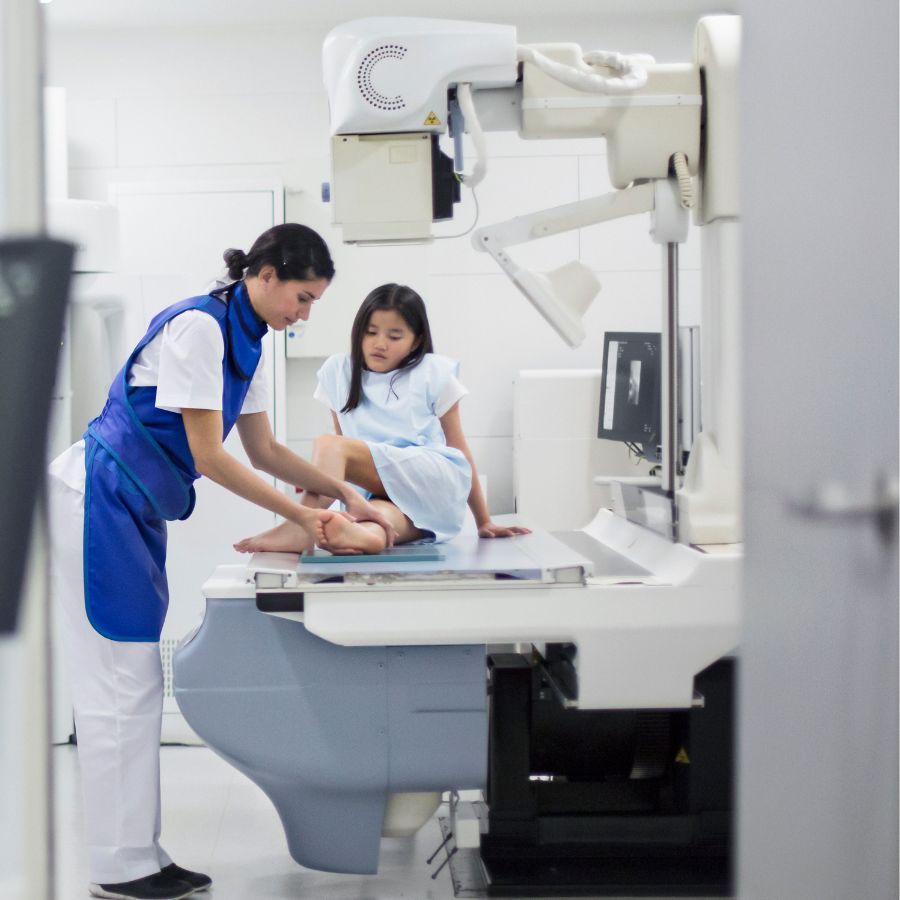
Selecting the right X-ray imaging system is critical for diagnostic accuracy, patient safety, and efficient clinical workflows. The ideal equipment ensures superior image quality and regulatory compliance while meeting the rigorous operational demands of imaging departments or facilities.
Nuclear Cameras
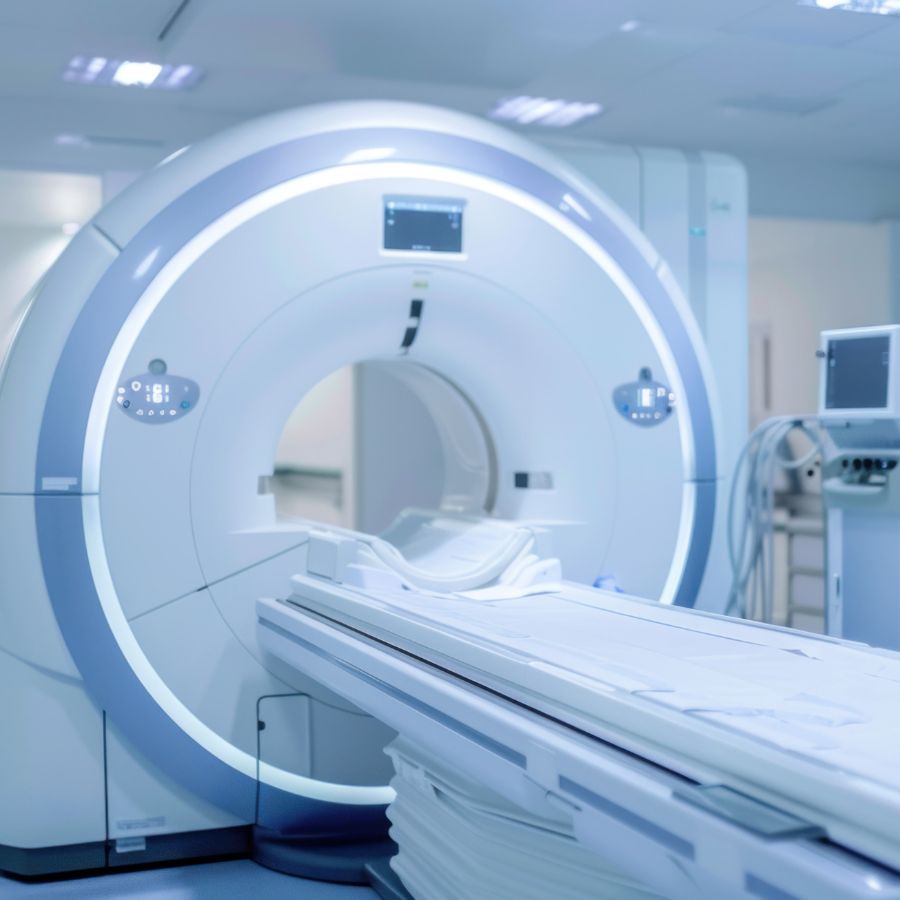
Advanced nuclear imaging delivers the essential metabolic insights that standard structural scans cannot capture. These high-performance systems help identify and stage complex cardiovascular, oncological, and neurological conditions at their earliest stages.
Ultrasound
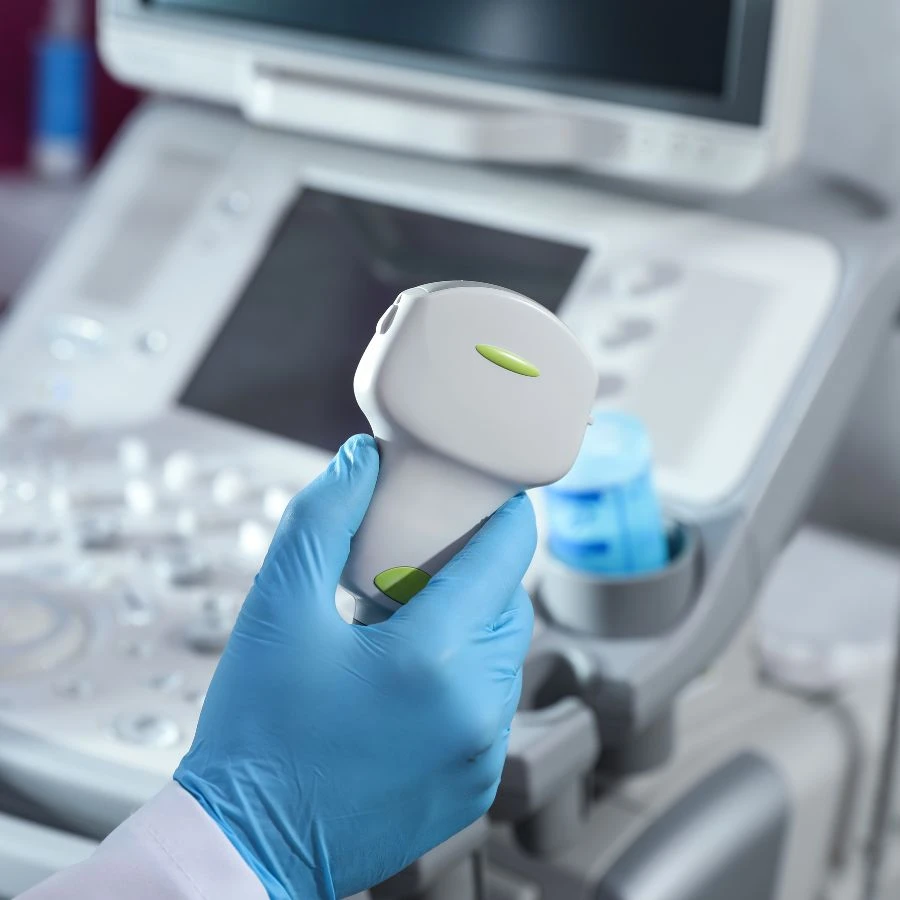
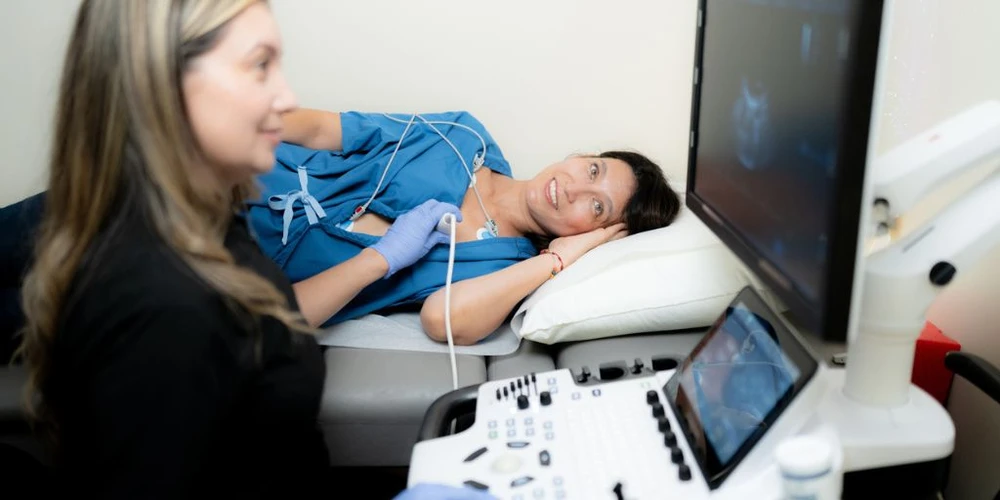
Ultrasound technology delivers essential real-time visualization of soft tissues and blood flow without the risks associated with ionizing radiation. These versatile systems enable rapid assessments that streamline clinical decision making across diverse specialties, including Point of Care, Cardiology, Obstetrics, Orthopedic and Emergency medicine.
Imaging Accessories
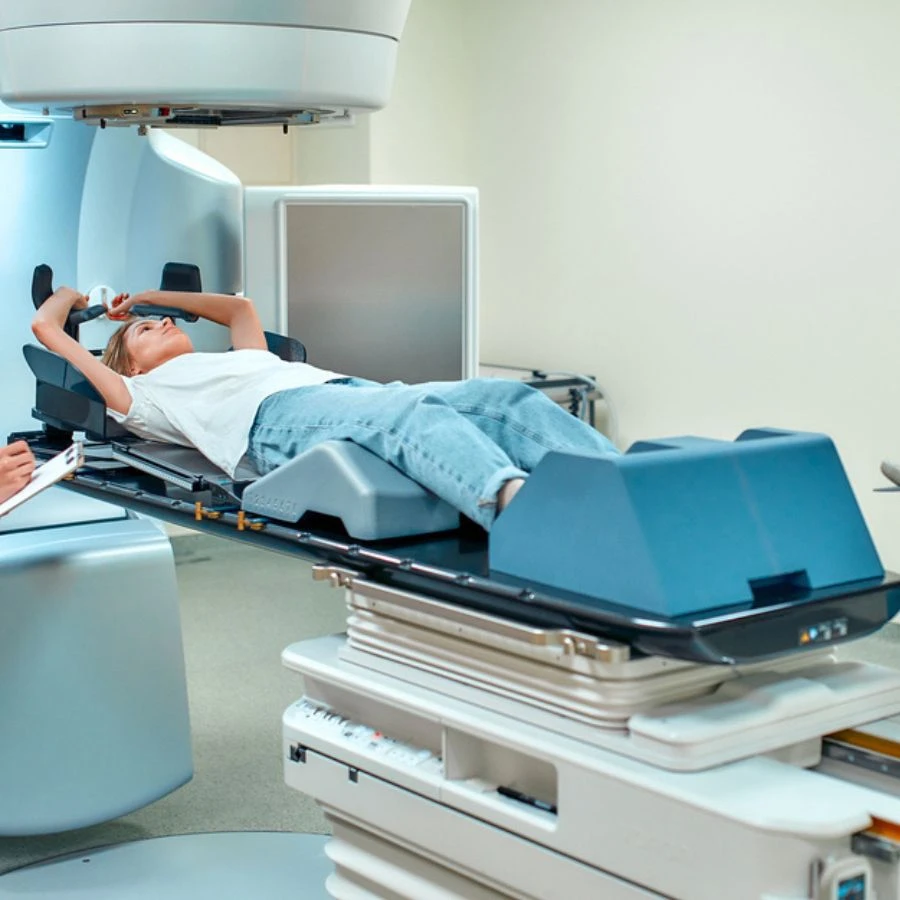
To maintain high standards of clinical efficiency and safety, imaging departments rely on robust support equipment. Tools like positioning aids and radiation shielding don't just ensure regulatory compliance, they provide the foundational infrastructure necessary to protect patients and staff during imaging procedures.
Ask CME Corp.
How do clinical use cases and patient volume influence the selection of imaging modalities and system configurations?
Clinical use cases and patient volume jointly determine which imaging modalities you need and how those systems should be configured to run efficiently and safely.
-
Clinical use cases drive modality choice and features: The specific diagnostic question (for example, trauma, stroke, or oncology follow‑up) determines whether CT, MRI, ultrasound, or another modality is appropriate, as well as the required capabilities such as speed, coverage, and advanced software. High‑acuity or complex cases typically need higher‑end systems and tighter integration with scheduling and reporting so multiple steps can be combined into streamlined protocols.
-
Patient volume drives capacity and workflow design: Expected exam volumes influence how many units are needed, what performance tier to purchase, and how much automation and integration is required to maintain acceptable wait times and turnaround. High‑volume environments depend on robust digital workflow (e.g., worklists, standardized protocols, automation) to keep scanners fully utilized while preventing bottlenecks and under‑ or over‑utilization of assets.
What total cost of ownership factors should be evaluated beyond the initial purchase price of imaging equipment?
Total cost of ownership for imaging equipment goes far beyond the initial purchase price and should include all costs over the system’s usable life. Evaluating these factors up front helps avoid budget surprises and ensures the system remains clinically and operationally viable over time.
Key factors to assess include:
-
Service and maintenance: Annual service contracts, preventive maintenance, repairs, software updates, and any uptime guarantees or performance penalties.
-
Consumables and operating costs: Contrast media, disposables, power consumption, cooling, and any room shielding or specialized infrastructure needs.
-
Staffing and training: Initial and ongoing technologist and physician training, super‑user time, and productivity impact during adoption or upgrades.
-
Workflow and IT integration: Costs for RIS/PACS integration, networking, storage, cybersecurity, and periodic hardware/software refreshes needed to keep the system supported.
-
Downtime, upgrades, and lifecycle: Cost of lost throughput during downtime, replacement parts availability, upgrade paths, trade‑in value, and expected useful life before major reinvestment is required.
How do radiation dose management, image quality, and regulatory compliance intersect when choosing imaging systems?
Radiation dose management, image quality, and regulatory compliance are tightly linked and must be balanced together when choosing imaging systems. The goal is to achieve diagnostic‑quality images at the lowest reasonable dose while meeting all applicable safety and accreditation requirements.
Modern systems support this balance through built‑in dose‑reduction technologies (such as automatic exposure control and iterative reconstruction), protocol management tools, and dose‑tracking capabilities that help facilities monitor and optimize exposure over time. At the same time, vendors design hardware and software to comply with regulations and standards (for example, dose reporting, quality assurance, and record‑keeping), which helps sites meet national and local rules as well as accreditation criteria. When evaluating equipment, organizations should look for systems that make it practical to standardize low‑dose protocols, consistently produce high‑quality images for the intended clinical tasks, and generate the documentation needed to demonstrate compliance to regulators and accrediting bodies.
What infrastructure, space, and IT considerations are critical when installing or upgrading imaging equipment?
Installing or upgrading imaging equipment requires careful planning for physical space, building infrastructure, and IT connectivity to ensure safe, reliable operation and future scalability. Addressing these areas early helps prevent costly construction changes, delays, and workflow disruptions.
Critical considerations include:
-
Room and building requirements: Adequate square footage for equipment, staff, and patient movement; structural support for heavy systems; shielding and safety features; HVAC, electrical capacity, and, where needed, plumbing and emergency power.
-
Workflow and patient access: Layout that supports efficient patient flow, staff ergonomics, privacy, infection control, and accessibility (e.g., stretcher and wheelchair access, proximity to ED or OR as needed).
-
IT, networking, and cybersecurity: Reliable network bandwidth, connectivity to RIS/PACS/EHR, image storage and backup capacity, secure remote access, and adherence to data privacy and security standards to support current and future imaging volumes and integrations.
How can imaging equipment be scaled or future-proofed to support evolving clinial, operational, and reimbursement requirements?
Imaging equipment can be scaled and future‑proofed by planning for flexible upgrades, interoperability, and changing reimbursement and workflow demands over the system’s life. The aim is to avoid premature replacement while keeping the platform clinically relevant and financially sustainable.
Key strategies include:
-
Modular and upgradeable platforms: Choosing systems that support software upgrades, added applications, and hardware enhancements (e.g., new coils, detectors, or dose‑reduction tools) so capabilities can grow with clinical needs.
-
Strong IT and standards‑based integration: Ensuring support for common data and workflow standards (for example, DICOM and HL7/FHIR) and robust connectivity to RIS, PACS, and EHR so new tools, AI, and analytics can be adopted without major rework.
-
Capacity and reimbursement awareness: Designing room, power, and network capacity for higher future volumes and considering features that support emerging reimbursement models, such as quality reporting, structured data capture, and efficiency‑enhancing automation.